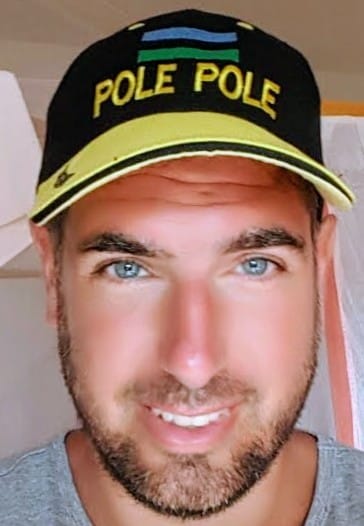
About Martijn van Gogh
The Man Who Went to Tanzania for Six Months and Has Been Trying to Explain Himself Ever Since
Martijn van Gogh studied International Development Studies and first travelled to Tanzania in 1997 for six months of participatory research with children and young people living and working on the streets of Mwanza. The plan was admirably straightforward: conduct the research, write an academically responsible thesis, return to the Netherlands and become a useful member of society.
Six months became a year.
This was an early indication of how things were going to go.
A year became another visit, another visit became almost three decades of returning to Tanzania, and somewhere along the way Martijn learned Swahili, acquired an entire Tanzanian family and discovered that people are considerably more complicated than the categories used to describe them at university.
That first experience also established the thread that would run through most of his professional life: people, communities, migration and the complicated business of belonging somewhere.
For the past ten years, Martijn has worked for VluchtelingenWerk Nederland, supporting refugees and other newcomers who have received residence permits as they build new lives in the Netherlands, with a particular focus on integration and participation. He has also worked in VluchtelingenWerk’s return programme, supporting people whose asylum applications had been rejected and who faced the difficult process of returning to their countries of origin. Working with people both as they try to build a future in a new country and as they prepare to leave one has given him a rather less tidy understanding of migration than the one he started with.
Before joining VluchtelingenWerk, Martijn spent many years as a community worker in Rotterdam, developing integration projects, organising welcome programmes for newcomers in IJsselmonde and coordinating international youth exchanges across Europe. He also founded Earth Quake Brass, which developed into one of the Netherlands’ leading brass bands — useful evidence that community development does not necessarily require a conference table and can occasionally be considerably more effective with twelve brass instruments and enough percussion to alarm the neighbours.
His career also took him to England, where he worked for Southend Borough Council and established a youth arts centre where young people could develop their artistic talents. At another point, he spent two years teaching economics in secondary schools. Whether this improved his understanding of international economics or explains why he subsequently lost faith in it remains a matter for further research.
Through this suspiciously varied career runs a remarkably consistent theme. Martijn has spent much of his working life bringing together people who might otherwise never have met: refugees and neighbours, young people from different European countries, communities from different cultural backgrounds and, on at least one occasion, enough brass musicians to create serious logistical difficulties.
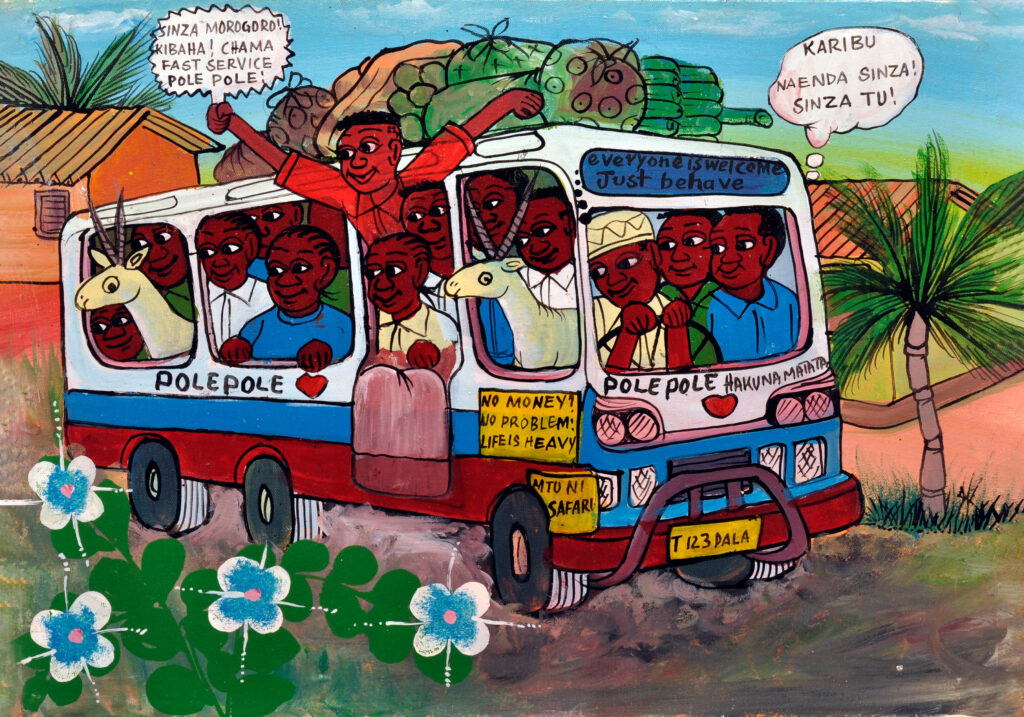
Tanzania, meanwhile, never really left. Nearly thirty years after that first research trip, Martijn continues to travel between the Netherlands and Tanzania. He speaks Swahili, although occasionally with sufficient creativity to surprise native speakers, and has learned that understanding another culture often begins around the moment you stop trying to explain it.
Those years eventually produced Tanzania: A Place Where Every Event Becomes a Life Lesson — a book about Tanzania, certainly, but also about family, belonging, cultural confusion, improvisation, curiosity and what happens when a Dutch enthusiasm for planning encounters a country that has not been informed of the schedule.
His current projects continue much the same theme. With Street Hearts, Martijn hopes to help turn ordinary Dutch streets into small communities again, based on the revolutionary proposition that the people living twenty metres away might actually be worth knowing.
And in Tanzania, he hopes one day to create a butterfly garden combining nature, education and opportunities for young people — a dream that has somehow resulted in the book you are now reading.
Looking back, Martijn’s career may appear to lack a conventional plan. It has involved young people on the streets of Mwanza, community development in Rotterdam, refugees in the Netherlands, young artists in England, European youth exchanges, economics lessons, brass bands, books and butterflies.
He prefers to think there has been a plan all along.
He just hasn’t found the original document yet.
Leave Martijn a review on Google